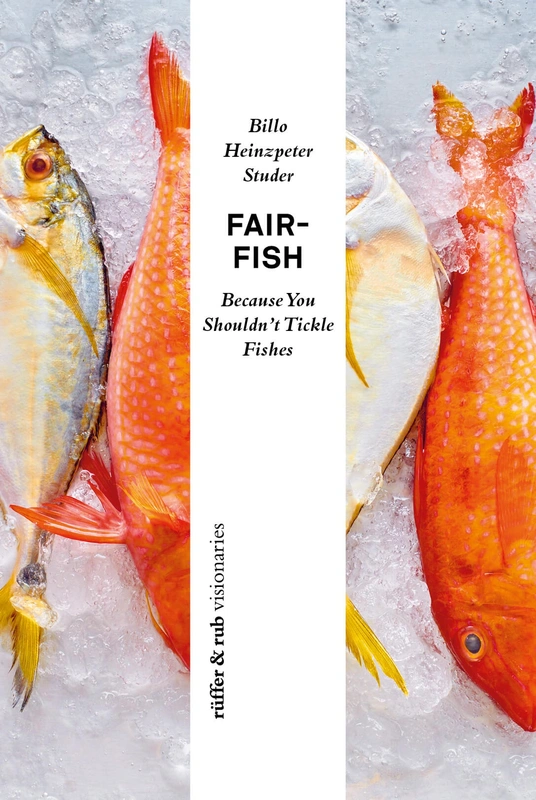







In the beginning, it was just a small idea, a leisure activity so to speak, says Billo Heinzpeter Studer looking back in his book published in 2020. In it, he describes the history of fair‑fish from his personal perspective.
In 1997, while still managing director of the Swiss farm animal welfare organisation KAGfreiland, Studer began developing guidelines for animal and environmentally friendly fish farms and fisheries. In 2000, together with a number of animal welfare organisations, he founded the fair‑fish association with the aim of creating public awareness for the then still exotic issue of animal welfare in fishes. It was one of the first organisations of its kind in the world.
Studer describes the success of the revision of Swiss animal welfare legislation and the reluctance of local professional fishersmen and fish farmers to accept a label that promised them a higher price for special consideration for animals and the environment. He talks about the difficulties of creating a bridge for fairly caught and paid fishes to European retail chains in a multi-year project with artisanal fishers in Senegal. The fair‑fish association recognised that it was too small to have a direct impact on the market. For this reason, instead of labelling projects, campaigns have since been launched to use public pressure to target objectionable practices in fisheries and aquaculture.
In 2012, the idea of collating the widely scattered studies in order to create an ethological profile for each farmed fish species, which would make it possible to formulate scientifically based recommendations for improving the welfare of these fishes, emerged from several years of debate with the veterinary authorities about shortcomings in the regulation and enforcement of fish welfare in aquaculture. The online database „fair‑fish database“ (formerly „FishEthoBase“), which Studer launched as a sideline after his retirement, developed in just a few years into an innovative project which now employs people in various countries and is setting new standards – just at the right time, as a growing number of fish farmers are now also prepared to pay more attention to fish welfare.
Billo Heinzpeter Studer
„fair‑fish – Because You Shouldn't Tickle Fishes“, 154 pages,
CHF 19.80 / EUR 18,00
rueffer&rub, Zürich 2020
ISBN 978-3-906304-83-0
Order in bookshops or here.
HomePublicationsThank you!Summer ShoalTeamfair-fish bookSocial mediaConsumptionDonateAssociationEventsData privacyOnline ShoalImprintfair-fish Marine schoolConsultancyWhich labels?Bequestfair tradePartnersArchiveAquaristicsJobs/InternshipsOur Vision and MissionCarefish/catchFisheryCarefish/farmFarmingfair-fish databaseImprintData privacyNewsTeamDid you know...?fish-factsAnnual reportsNewsletterMessagefish-facts SubscriptionInstagramFacebookTwitter / XLinkedIn